Building Life Skills for the Future
For children and young people aged 8–17 with mild to moderate learning disabilities, developing life skills is an important part of growing in confidence, independence and self-esteem.
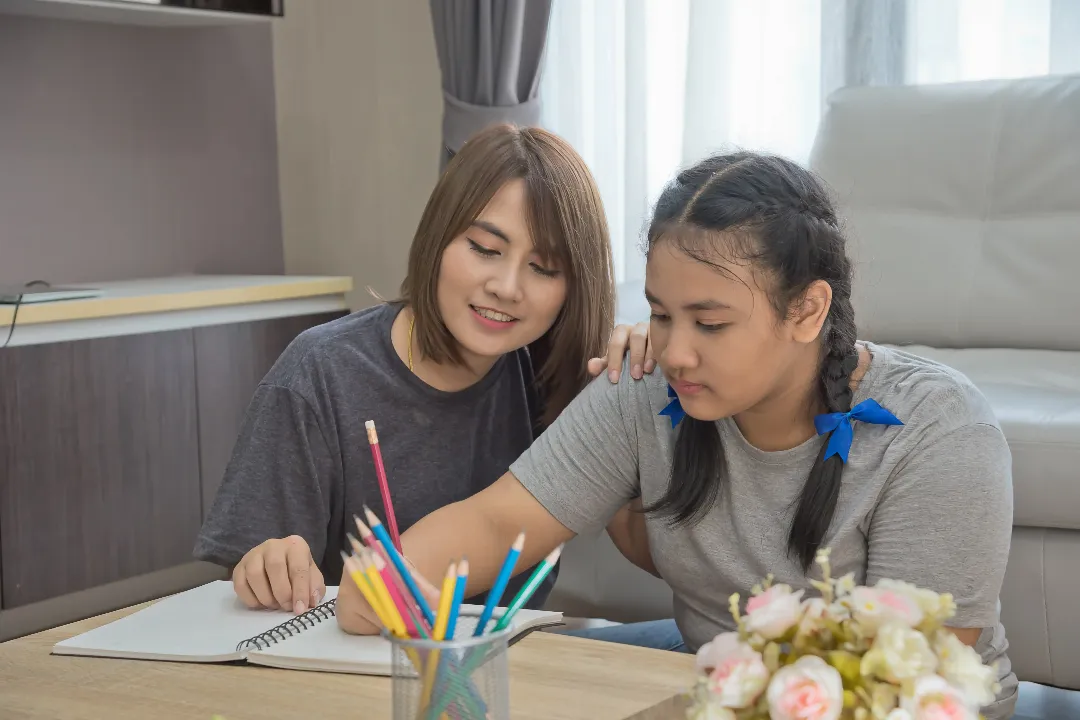
At Shine Care, we believe that learning these skills should be a positive, encouraging experience that happens naturally through everyday life.
Our therapeutic homes provide a safe and supportive environment where young people can learn at their own pace, practise new skills and celebrate their achievements. We recognise that every child is different, so our approach is personalised to their individual abilities, needs, interests and aspirations.
Learning Through Everyday Life
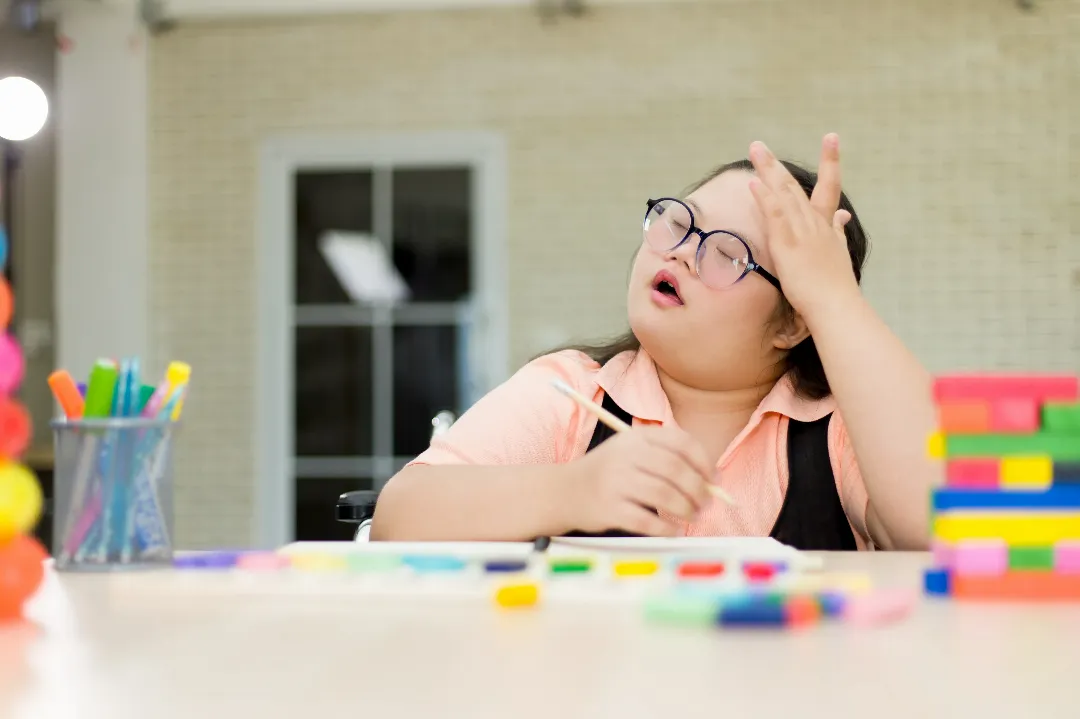
Life skills are not simply taught through lessons or structured activities. Many of the most valuable learning opportunities happen throughout the day.
Young people are encouraged to take an active role in everyday routines within the home. Depending on their age, abilities and individual care plan, this may include helping to prepare meals, keeping their bedroom tidy, doing laundry, organising personal belongings, shopping for ingredients or planning activities.
Staff provide the right level of guidance and encouragement, gradually allowing young people to take greater responsibility as their confidence develops. We understand that making mistakes is a natural part of learning, and we create an environment where young people can try, practise and try again without fear of failure.
Developing Independence
Independence looks different for every young person. For some, it may mean learning to make their own breakfast or choose their clothes for the day. For others, it may involve managing a routine, remembering appointments, handling money or travelling with increasing independence.
We break tasks down into manageable steps and use practical demonstrations, repetition, visual prompts and encouragement where appropriate. This helps young people understand what is expected while giving them the opportunity to experience success.
As children grow older, their life-skills programme can gradually become more focused on preparing for adulthood. This may include developing skills around cooking, budgeting, personal organisation, household responsibilities and decision-making.
Cooking and Healthy Eating
Preparing food is an important practical skill that can also support confidence, communication and healthy choices.
Young people can be involved in planning meals, writing shopping lists, choosing ingredients, preparing food and learning about kitchen safety. Activities are adapted to suit individual abilities, with staff providing appropriate supervision and support.
Cooking together can also be an opportunity to develop mathematical skills, such as measuring and counting, while encouraging young people to explore different foods and understand the importance of a balanced diet.
Money Management
Understanding money is an important part of becoming more independent.
Young people are supported to develop age-appropriate financial skills, such as recognising coins and notes, understanding prices, making choices within a budget and learning the difference between needs and wants.
Older young people may be supported with more advanced skills, such as planning spending, saving for something they want, understanding bank accounts and developing an awareness of online financial safety.
These skills are taught practically wherever possible, helping young people connect what they learn with real-life situations.
Personal Care and Wellbeing
Developing the ability to look after themselves is an important part of growing up. Staff support young people to develop appropriate personal-care routines while respecting their privacy, dignity and individual needs.
This may include learning about personal hygiene, choosing appropriate clothing, maintaining a healthy sleep routine and understanding the importance of exercise, nutrition and emotional wellbeing.
Young people are encouraged to take increasing responsibility for their own routines as they become more confident, with staff providing support where needed.
Communication and Relationships
Life skills also include the ability to communicate effectively and build positive relationships.
Through everyday interactions, activities and therapeutic support, young people are encouraged to express their feelings, communicate their needs, listen to others and understand appropriate boundaries.
Staff model positive communication and help young people develop strategies for managing disagreements, resolving problems and asking for help when they need it. This can help build confidence and support young people to develop healthy and respectful relationships with peers, staff, family members and others in their community.
Managing Emotions and Building Resilience
For many young people, learning how to recognise and manage emotions is an important life skill.
Our therapeutic approach helps young people understand their feelings and identify strategies that can help them regulate their emotions. This might include recognising early signs that they are becoming overwhelmed, taking time out, using calming techniques, talking to a trusted adult or engaging in an activity they enjoy.
Rather than expecting young people to manage difficult situations independently before they are ready, staff provide consistent support and gradually help them develop their own coping strategies.
Safety and Community Skills
Learning how to stay safe is an essential part of preparing young people for greater independence.
Depending on their individual needs and risk assessment, young people may learn about road safety, stranger awareness, personal boundaries, online safety, appropriate use of technology and what to do in an emergency.
Community activities also provide valuable opportunities to practise these skills. Young people may be supported to visit local shops, parks, libraries, leisure facilities or other community spaces, learning how to interact appropriately with others and navigate different environments.
For older young people, this may progress to learning how to use public transport, plan journeys and access community resources more independently.
Supporting Education and Future Aspirations
Life skills complement education rather than sit separately from it. We encourage young people to recognise the connection between the skills they develop at home, their education and their future goals.
Staff can support young people with routines around school and college, organisation, homework, communication with teachers and developing confidence in their own abilities.
As young people approach adulthood, conversations can become increasingly focused on their aspirations and next steps. This may include exploring further education, employment, volunteering, training or other opportunities that reflect their interests and strengths.
Learning at the Right Pace
Every young person develops differently. For children with mild to moderate learning disabilities, some skills may require more time, repetition or additional support.
At Shine Care, we do not measure progress by expecting every young person to achieve the same things at the same time. Instead, we focus on individual progress and celebrate meaningful achievements.
A young person making their own breakfast for the first time, remembering their personal-care routine, successfully completing a shopping task or confidently asking for help can all represent significant steps towards greater independence.
Our staff provide encouragement without taking over, helping young people do as much for themselves as they safely can. Over time, this approach can help build confidence, resilience and a belief in their own abilities.
Preparing for Adulthood
For young people approaching 18, life-skills work becomes an increasingly important part of preparing for adulthood. We help them build on the skills they have developed and identify areas where they may need continued support.
The aim is not simply to teach young people how to complete practical tasks. It is to help them develop the confidence to make choices, understand their responsibilities, advocate for themselves and participate as fully as possible in everyday life.
At Shine Care, we want every young person to leave our care with a stronger sense of who they are, what they can achieve and where they want their future to take them.
More Than Skills — Building Confidence
Ultimately, life-skills work is about much more than cooking, cleaning, budgeting or personal care. It is about helping young people discover their capabilities and experience the sense of achievement that comes from doing something for themselves.
Our therapeutic homes provide a safe environment where children and young people can learn, practise and grow. With patient support, consistent relationships and opportunities to take responsibility, we help each young person develop the practical, emotional and social skills they need to move towards a more independent and fulfilling future.
At Shine Care, every achievement matters. We meet young people where they are, support them to take their next steps and celebrate the progress they make along the way.